


The Best Promotional Products for Small Businesses in 2026
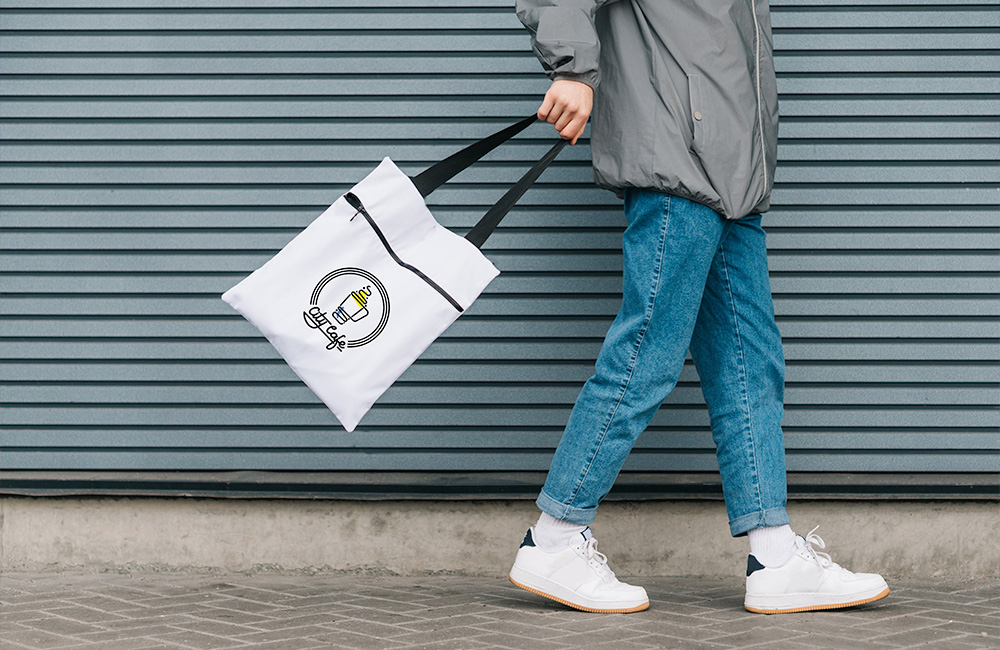
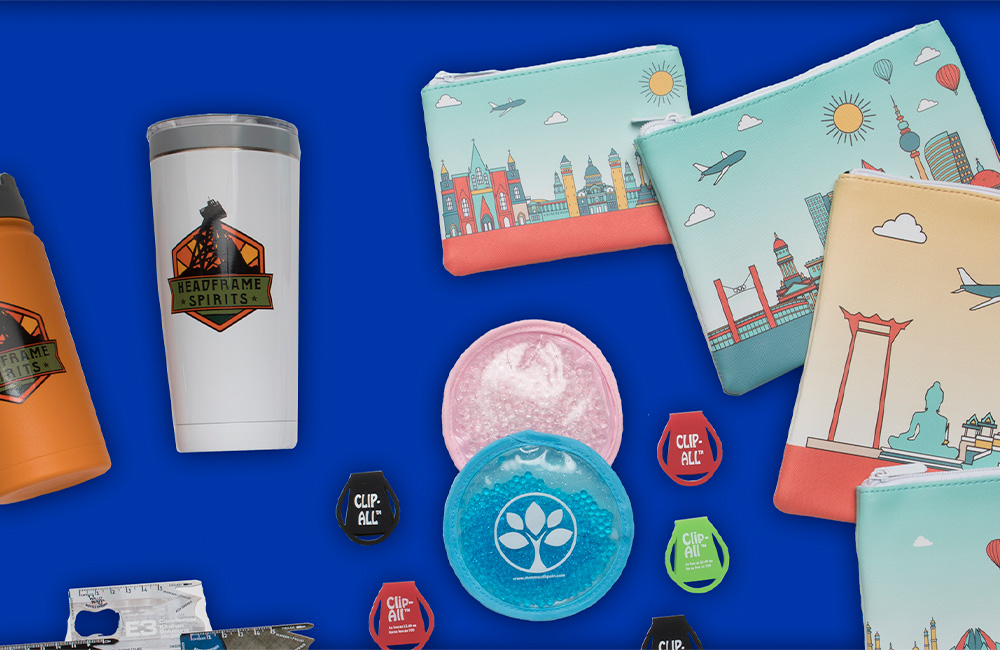
Small businesses don't have the same marketing budgets as large corporations. That makes choosing the right promotional products even more important.The goal isn't to buy the most merchandise.It's to spend your promotional budget on products that help people remember your business, start conversations and keep your brand in front of potential customers.Gina Malloy Primmer, owner of Buzz Builder Promotions, works with businesses of all sizes to find branded merchandise that fits the audience, the budget and the marketing objective.For small businesses, that usually means finding the sweet spot between affordability, usefulness and visibility.Are Promotional Products Worth It for Small Businesses?They can be—especially when they're treated as part of a marketing strategy rather than simply as free stuff.Promotional products can be used for:Trade showsLocal eventsCustomer appreciationEmployee recognitionGrand openingsCommunity sponsorshipsSales callsNetworking eventsFundraisersNew customer welcome giftsDirect mail campaignsCurrent 2026 marketing content continues to position branded merchandise as a practical option for small businesses, particularly when businesses choose useful products rather than generic giveaways.The key is choosing the right product for the situation.15 Promotional Products Small Businesses Should Consider in 20261. Branded T-ShirtsT-shirts can be one of the most visible forms of promotional marketing.But don't automatically order the cheapest shirt available.Consider:FabricFitColorDecoration methodLogo placementOverall designIf people actually want to wear the shirt, your business gets exposure well beyond the event where it was distributed.2. HatsBranded hats can work particularly well for small businesses with a local, outdoor or lifestyle-oriented identity.Think construction companies, landscapers, restaurants, breweries, sports organizations, outdoor businesses and community groups.3. Tumblers and Water BottlesDrinkware is a reliable choice because people use it at work, at home, in the car and while traveling.For small businesses, that versatility can make drinkware a smart investment.4. Tote BagsTote bags offer a large branding area and can be used repeatedly.They're particularly useful for:Retail businessesEventsFarmers marketsSchoolsNonprofitsConferencesCommunity organizations5. PensPens remain one of the most affordable promotional products for businesses that need to reach a large number of people.They're especially useful when you need something small, practical and easy to distribute.6. NotebooksA notebook can make a simple promotional product feel more intentional.They're especially appropriate for networking events, professional conferences, sales meetings and educational organizations.7. Phone AccessoriesSmall businesses can make a stronger impression with useful technology accessories such as phone stands, cable organizers and charging accessories.These products can feel more modern than traditional promotional giveaways while still fitting a modest budget.8. KeychainsKeychains are small, easy to distribute and available in a huge range of styles.For a small business, a creative keychain can be particularly effective when it relates to the company's product or personality.9. StickersStickers can be inexpensive and fun, especially for brands with a younger or more casual audience.But they're not necessarily appropriate for every business.The question isn't whether stickers are popular.It's whether your customers want them.10. Reusable Shopping BagsFor retailers and service businesses, reusable bags can turn customers into mobile brand ambassadors.They're particularly useful because the branding travels with the customer.11. Branded ApparelDon't limit branded apparel to T-shirts.Depending on your audience, consider:Polo shirtsSweatshirtsQuarter-zipsJacketsPerformance shirtsHatsOuterwearHigher-quality apparel can also work well as an employee gift or customer appreciation item.12. Drinkware for Customer AppreciationIf you're a service business, consider reserving better-quality drinkware for existing customers.This can be particularly effective as part of a loyalty or appreciation strategy.13. Desk AccessoriesFor B2B companies, desk accessories can be an excellent fit.Consider phone holders, mouse pads, notebooks, organizers, pens and other products that naturally belong in a professional environment.14. Food and Snack GiftsSmall food gifts can work well for customer appreciation, holidays, open houses and community events.They're also a useful option when you want the promotional product to create an immediate positive experience.15. Premium Gifts for Your Best CustomersSmall businesses don't have to give every customer the same thing.Consider creating tiers.Prospects: Affordable promotional itemsNew customers: Useful branded merchandiseLoyal customers: Higher-quality giftsVIP customers: Premium branded gifts or curated gift setsThat lets a small business use its budget strategically.How Much Should a Small Business Spend on Promotional Products?There is no universal number.Instead, consider the value of the person you're trying to reach.If you're handing something to hundreds of people at a community event, your per-item budget may need to be relatively low.If you're giving something to ten customers who generate substantial annual revenue, spending more per person may make sense.Gina Malloy Primmer's approach at Buzz Builder Promotions is to start with the objective and audience, then determine the appropriate product and price point.That's a better approach than starting with:"What's the cheapest thing we can put our logo on?"The Best Promotional Products for Small Businesses Are Usually UsefulCurrent promotional product research strongly supports the idea that usefulness matters. ASI's 2026 research found that 78% of U.S. consumers said usefulness was a reason they would keep a promotional item.That means small businesses should think carefully before spending their limited marketing dollars on novelty items.Ask:Will my customer use this?Will they use it more than once?Will they take it somewhere other people can see it?Does it make sense for my brand?If the answer to those questions is yes, you've probably got a better promotional product strategy.Should Small Businesses Buy Cheap Promotional Products?Sometimes.There are situations where inexpensive products are exactly what you need.For example:Large community eventsParadesSchool eventsFundraisersTrade show booth trafficDirect-mail campaignsCustomer handoutsThe problem isn't that a promotional product is inexpensive.The problem is when low price is the only reason you chose it.A $2 item that nobody wants may be a worse investment than a $6 item people use repeatedly.How Small Businesses Can Make Promotional Products Work HarderYou don't have to stop at putting your logo on a product.Try connecting your promotional merchandise to your broader marketing.Add a QR CodeSend customers to a landing page, special offer, booking page, contest or useful resource.Use a Promotional Product as a Customer Thank-YouA small gift can strengthen the relationship after a purchase.Use Branded Apparel to Build Your TeamEmployees wearing quality branded apparel can create visibility while reinforcing a sense of team.Use Merchandise at Local EventsSponsoring a community event? Choose a product that fits the audience rather than simply ordering generic giveaways.Create a New-Customer GiftA branded product can become part of your onboarding experience.Use Premium Gifts SelectivelyYou don't have to give everyone the same thing. Reserve higher-value merchandise for customers and prospects who warrant a more personal approach.What Should a Small Business Put on Promotional Products?Usually, start with your logo.But don't assume the logo needs to be huge.Depending on the product, you might also use:A taglineWebsitePhone numberQR codeSocial handleShort messageBrand symbolFor apparel especially, consider whether the design looks like something someone would actually choose to wear.Recent 2026 branded-merchandise trends point toward more subtle branding and merchandise that feels closer to retail apparel than traditional "logo everywhere" promotional gear.Promotional Products Can Help Small Businesses Look BiggerOne of the underrated benefits of quality branded merchandise is consistency.When your employees, packaging, event materials, apparel and promotional products all use the same visual identity, your business can appear more established and professional.That matters for small businesses competing against larger companies.You don't need a huge marketing budget to look polished.You need a consistent brand and thoughtful choices.Gina Malloy Primmer's Advice for Small BusinessesIf you're a small business owner trying to decide what to order, Gina Malloy Primmer of Buzz Builder Promotions recommends starting with three questions:Who am I trying to reach?A product should fit the person receiving it.What do I want it to accomplish?Are you trying to generate awareness, attract people to an event, thank customers or support sales?What would this person actually use?This is the question that often separates effective promotional merchandise from forgotten swag.The Bottom LineSmall businesses don't need hundreds of different promotional products.They need the right products.Choose merchandise that fits your audience, supports your brand, works within your budget and—most importantly—gives people a reason to keep using it.Whether you're looking for trade show giveaways, branded apparel, customer gifts or promotional products for a local event, Buzz Builder Promotions can help you find options that make sense for your business.Gina Malloy Primmer and Buzz Builder Promotions believe promotional products work best when they're treated as marketing—not merchandise for merchandise's sake.The goal isn't to give someone something with your logo on it.The goal is to give them something they'll want to use after they've forgotten where they got it.Frequently Asked QuestionsWhat are the best promotional products for small businesses?Popular choices include branded apparel, drinkware, tote bags, pens, notebooks, technology accessories, hats and other useful everyday products. The best choice depends on the audience, budget and marketing objective.Are promotional products worth it for small businesses?Promotional products can be an effective marketing tool for small businesses when the products are useful, relevant and aligned with the company's marketing goals.What are inexpensive promotional products for small businesses?Pens, stickers, keychains, lip balm, tote bags and other small practical items can provide affordable options for businesses that need to distribute a large quantity.What promotional products have the best ROI?The return depends on how often the product is used, how well it fits the audience and how much you spend. Useful products that recipients continue using can provide ongoing brand exposure.How can a small business use promotional products for marketing?Small businesses can use promotional products at trade shows, community events, customer appreciation programs, networking events, sales meetings, employee recognition programs and direct marketing campaigns.How do I choose promotional products for my small business?Start with your audience, objective and budget. Then select products your customers are likely to use. Gina Malloy Primmer at Buzz Builder Promotions can help you compare options and choose merchandise that fits your specific marketing goals.
How to Choose Promotional Products People Will Actually Keep
The biggest mistake businesses make when ordering promotional products is choosing the item before deciding what they want the item to accomplish.A cheap giveaway isn't necessarily a good giveaway. A clever product isn't necessarily a memorable one. And putting your logo on something doesn't automatically make it effective marketing.Gina Malloy Primmer, owner of Buzz Builder Promotions, believes the best promotional products have one thing in common: people actually want to use them.That sounds simple, but it changes the entire way you should approach branded merchandise.According to recent promotional product research, usefulness is one of the biggest factors determining whether consumers keep branded merchandise. In fact, 78% of U.S. consumers surveyed by the Advertising Specialty Institute said usefulness was a reason they would keep a promotional product.So before you order 500 pens because they're inexpensive, ask a better question:What can I give someone that they will actually want to keep?What Makes a Promotional Product Worth Keeping?There are five characteristics that make promotional products more likely to stay in someone's life.1. It's UsefulThis is probably the most important factor.Think about the promotional products you still have in your home or office. Chances are, they're things you actually use.A water bottle.A good pen.A tote bag.A sweatshirt.A phone accessory.A notebook.A travel item.A promotional product doesn't have to be exciting to be effective. It needs to have a reason to exist in someone's everyday life.As Gina Malloy Primmer often tells clients at Buzz Builder Promotions, utility beats novelty when the goal is long-term brand exposure.2. It's Good QualityPeople notice quality.If a promotional product feels cheap, uncomfortable or poorly made, the recipient may associate those same characteristics with your brand.On the other hand, a well-made promotional product can create a completely different impression.Recent 2026 research from Custom Ink found that nearly half of surveyed corporate buyers had shifted their spending toward better-quality promotional merchandise, while 67% said they considered a swag investment successful when recipients voluntarily wore or used the items.That doesn't mean every promotional product needs to be expensive.It means the quality should make sense for the audience and the purpose.3. It Fits the AudienceThe best promotional product for a construction company may be completely different from the best product for a law firm.A tech company might choose a useful desk accessory.A healthcare organization might choose wellness-related merchandise.A restaurant might choose branded apparel or drinkware.A nonprofit might choose an affordable item that works well for fundraising or community events.A financial services company might want something polished enough for clients.At Buzz Builder Promotions, Gina Malloy Primmer starts with the audience rather than the product catalog.The question isn't:"What products do you sell?"It's:"What would this particular audience actually use?"4. The Branding Looks GoodYour logo needs to be visible—but it doesn't have to take over the product.In fact, current 2026 swag trends are moving toward more subtle, premium branding and merchandise that looks more like something someone would buy for themselves.That can mean:Smaller logosTone-on-tone decorationEmbroideryClean typographyThoughtful placementColors that complement the productDesigns that feel intentionalThe goal is for someone to think:"This is nice."Not:"This is obviously a free promotional item."5. It Has a Reason to Be UsedSometimes the difference between a promotional product that gets used and one that gets forgotten is the story behind it.A branded notebook given to someone at a conference might be useful.A branded notebook given to someone with a QR code that leads to a valuable conference resource can be useful and part of a marketing campaign.A branded tumbler given to a new employee can become part of their workday.A branded jacket given to a client can become something they use for years.The product becomes more meaningful when it has a purpose.10 Questions to Ask Before Ordering Promotional ProductsBefore placing your next promotional product order, Gina Malloy Primmer recommends thinking through these questions.1. Who is receiving it?Are they customers, prospects, employees, event attendees, donors or community members?2. What do I want them to do with it?Use it?Wear it?Share it?Remember your company?Visit your website?Contact you?3. Where will they use it?At work?At home?While traveling?At sporting events?Outdoors?At school?4. How often are they likely to use it?Daily-use items can create considerably more opportunities for your brand to be seen.5. Does it fit my brand?A promotional product should feel like an extension of your business—not a random item with your logo attached.6. Does the quality match my audience?The appropriate quality level for a mass giveaway isn't necessarily the appropriate quality level for a VIP client.7. Is the branding attractive?Before ordering hundreds of products, look carefully at how your logo, colors and messaging will actually appear.8. Is there too much branding?Sometimes less is more.A subtle logo can make apparel and merchandise feel considerably more wearable.9. Can this product support a larger marketing campaign?Consider whether you can connect the product to:A QR codeA landing pageA promotionA contestA social campaignA sales follow-upAn event-specific offer10. Would I actually use this?This may be the simplest test of all.If you wouldn't want it, there's a good chance your customer won't either.Promotional Products People Are More Likely to KeepWhile there is no universal best promotional product, certain categories consistently make sense when your goal is long-term use.DrinkwareWater bottles, tumblers and travel mugs are useful at work, at home and on the go.BagsTote bags, backpacks and other reusable bags can provide ongoing brand visibility wherever they're carried.ApparelT-shirts, sweatshirts, jackets, quarter-zips and hats can turn customers and employees into brand ambassadors—provided the apparel is comfortable and attractive enough to wear.Technology AccessoriesPhone stands, charging accessories, cable organizers and other tech products can fit naturally into someone's daily routine.Notebooks and Writing InstrumentsThese remain practical choices for professional events, conferences and business environments.Travel ProductsLuggage tags, travel bags, organizers and related products can be particularly effective for people who travel frequently.What Promotional Products Don't Get Kept?There isn't a universal list of products people will throw away. Context matters.But products are more likely to be forgotten when they're:Poor qualityDifficult to useUncomfortableIrrelevant to the recipientOverly brandedToo bulkyClearly designed around the giver rather than the recipientThis is why Buzz Builder Promotions doesn't believe in choosing promotional products simply because they're inexpensive.A $2 item that nobody wants isn't necessarily a better value than a $7 item that someone uses every day.Should You Spend More on Fewer Promotional Products?Sometimes, yes.The promotional products industry is seeing a shift away from simply maximizing the number of items distributed and toward merchandise that recipients actually value and use.That doesn't mean everyone should buy expensive swag.It means your budget should reflect your objective.For example:100 people at a community event:A practical, affordable giveaway may make sense.500 trade show attendees:A useful lower-cost item can help maximize booth reach.50 qualified prospects:A higher-quality item may make more sense.10 VIP customers:A premium gift may be appropriate.The right answer depends on what you're trying to accomplish.Promotional Products Should Be Part of Your Marketing StrategyOne of the biggest opportunities with branded merchandise is connecting physical products with digital marketing.Imagine handing a prospect a branded notebook.That's useful.Now imagine that notebook includes a QR code leading to a personalized resource, special offer or post-event landing page.Now your promotional product has become part of a measurable marketing campaign.At Buzz Builder Promotions, Gina Malloy Primmer helps businesses think about promotional products as marketing tools—not just merchandise.The Bottom LineThe best promotional product isn't necessarily the newest, cheapest or most unusual product available.It's the one that makes sense for your audience, your brand and your marketing objective.If people use it, your brand stays visible.If they enjoy using it, your brand creates a more positive association.And if the product connects to a larger marketing strategy, it can do considerably more than simply carry your logo.Gina Malloy Primmer and Buzz Builder Promotions can help you find promotional products that make sense for the people you're trying to reach—not just products that happen to be available in a catalog.Because the best promotional product isn't the one you successfully hand out.It's the one someone chooses to keep.Frequently Asked QuestionsWhat makes a promotional product effective?An effective promotional product is useful, relevant to the recipient, consistent with the brand and appropriate for the marketing objective. Quality and attractive branding also influence whether people continue using the product.What promotional products do people actually keep?Useful everyday products such as drinkware, bags, apparel, technology accessories, notebooks and travel products tend to have strong staying power.Are expensive promotional products better?Not necessarily. The right price depends on the audience and objective. A moderately priced product that someone uses frequently can be more valuable than an expensive product that goes unused.How can I make promotional products more effective?Choose products based on your audience and marketing objective, prioritize usefulness and quality, use attractive branding and consider connecting the product to a digital campaign through a QR code or landing page.How do I choose the right promotional products for my business?Start with your audience, budget, event or campaign and desired outcome. Then choose a product that your audience is likely to use. A promotional products expert such as Gina Primmer at Buzz Builder Promotions can help narrow the choices.
Trade Show Giveaways That Actually Get Used: 25 Ideas for 2026
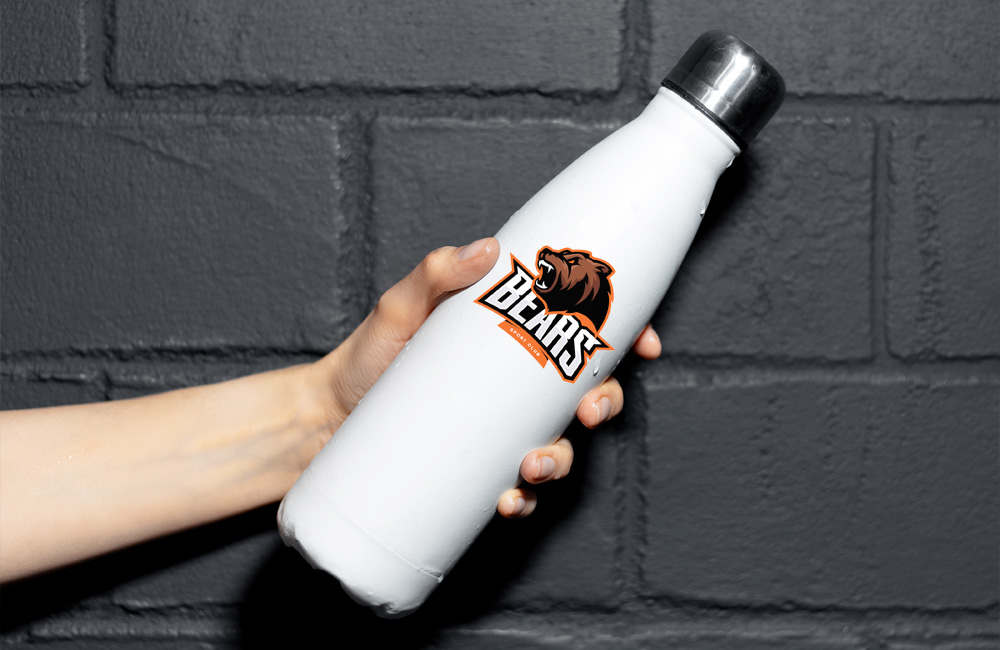
What Makes a Good Trade Show Giveaway?The best trade show giveaways have a few things in common:They're useful. People are more likely to keep something they can use at work, at home or on the go.They're easy to carry. Trade show attendees don't want to lug bulky items around all day.They're relevant to your audience. A giveaway should make sense for the people you're trying to reach.They're branded without being overwhelming. Your logo should be visible, but the item should still look and feel like something people want to use.They fit your marketing objective. A giveaway designed to attract booth traffic may be different from one intended for qualified prospects or VIP clients.They give you an opportunity to continue the conversation. This is where QR codes, landing pages and other digital connections can make a physical giveaway much more valuable.At Buzz Builder Promotions, Gina Malloy Primmer helps businesses look beyond simply putting a logo on an item. The better question is: What do you want the promotional product to accomplish?25 Trade Show Giveaway Ideas for 20261. Branded Tote BagsTote bags remain a trade show staple for a reason. They're practical, easy to carry and provide plenty of space for branding.They're particularly useful at conferences where attendees collect brochures, samples and other materials throughout the day.Best for: Conferences, trade shows, universities, nonprofits and retail brands.2. Custom Water BottlesA quality reusable water bottle can give your brand visibility long after the trade show ends.Consider a style that people will actually want to carry rather than choosing solely based on the lowest price.Best for: Health and wellness, outdoor businesses, schools, healthcare and corporate events.3. Insulated TumblersTumblers are one of the most versatile promotional products because they fit naturally into both work and personal life.A well-designed tumbler can become a daily reminder of your brand.Best for: Corporate brands, financial services, professional services and employee-focused events.4. Branded PensPens are inexpensive, easy to distribute and still useful. They're especially effective when you need a large quantity of giveaways.The key is choosing a pen that feels good to use rather than treating all pens as interchangeable.Best for: High-volume events and broad booth traffic.5. Notebooks and JournalsA branded notebook can be a particularly good choice for professional conferences where attendees are taking notes.For a more premium audience, upgrade from a basic giveaway notebook to a nicer journal or hardcover notebook.Best for: Business conferences, education, consulting and professional services.6. Tech AccessoriesTechnology-related promotional products can provide a natural connection between your brand and something people use frequently.Ideas include:Charging cablesPhone standsCable organizersWebcam coversTech pouchesWireless charging accessoriesBest for: Technology companies, B2B brands and professional audiences.7. Phone StandsA compact phone stand takes up very little room but can be surprisingly useful at a desk.It's also a good example of the type of product Gina Malloy Primmer looks for when recommending promotional products: small enough to be convenient but useful enough to earn a place in someone's everyday routine.8. Custom HatsBranded hats can turn customers and prospects into walking advertisements for your business—but only if the hat is something they actually want to wear.Quality, design and fit matter.Best for: Outdoor companies, construction, sports, restaurants, breweries, schools and lifestyle brands.9. Custom T-ShirtsT-shirts can be excellent promotional products, particularly when the design looks more like apparel someone would choose to wear than a traditional advertisement.Don't be afraid to make your logo smaller and the design more creative.Best for: Consumer brands, events, schools, sports and community organizations.10. Quarter-Zip PulloversFor a more professional branded apparel option, quarter-zips offer a polished look that works well in offices, at events and in cooler weather.They're particularly effective for employee apparel, sales teams and higher-value giveaways.11. SocksFun, colorful or unusually designed socks can make a memorable trade show giveaway.They're especially effective when the design connects naturally to your brand.Best for: Creative businesses, technology companies, startups and consumer brands.12. SunglassesBranded sunglasses are affordable, lightweight and easy to distribute.They're particularly effective for outdoor events or brands with a youthful or casual identity.13. Lip BalmLip balm is inexpensive and highly portable, making it useful when you need a large quantity of promotional products.It can work particularly well as an add-on item rather than the centerpiece of a premium giveaway.14. Hand SanitizerAlthough promotional trends change, practical personal-care products remain useful for events, offices and community outreach.Choose packaging that provides enough space for clear, attractive branding.15. KeychainsA well-designed keychain can provide long-term brand exposure at a relatively low cost.Look beyond basic plastic options. Metal, multi-function and creative designs can make a keychain feel considerably more valuable.16. Luggage TagsLuggage tags are particularly appropriate for travel-related businesses, airlines, hotels, tourism organizations and companies exhibiting at large conferences.They're also easy to pack and carry.17. Travel AccessoriesIf your audience travels frequently, consider products such as:Luggage organizersPassport holdersTravel pouchesToiletry bagsTravel adaptersCompact blanketsThese products can create a strong connection between your brand and travel.18. Reusable Shopping BagsReusable shopping bags combine utility with visibility.A well-designed bag can travel far beyond the trade show and put your brand in front of people who never visited your booth.19. Desk AccessoriesDesk products can be particularly effective for B2B companies.Consider:Desk organizersMouse padsPhone holdersSticky-note setsCable organizersDesktop gamesCoastersThe best choice depends on how your target customer works and what they'll actually use.20. Snack and Food GiftsSometimes the fastest way to attract attention is through something people can eat.Branded snacks, candy, mints, popcorn and other food gifts can be effective booth traffic builders.For a more premium audience, consider a curated food gift rather than an inexpensive single item.21. Wellness and Self-Care ProductsWellness-focused promotional products continue to be useful for businesses that want to communicate a focus on employee or customer well-being.Ideas include:Fitness accessoriesWellness kitsCooling towelsStress relieversPersonal care kits22. Eco-Friendly Promotional ProductsIf sustainability is part of your company's identity, consider promotional products made from recycled, reusable or renewable materials.The important thing is to make sure the sustainability story is authentic and relevant to your brand.23. Premium Gift SetsNot every trade show giveaway needs to go to every attendee.Consider creating a tiered strategy:General booth traffic: Lower-cost promotional itemsQualified prospects: Mid-range promotional productsVIP prospects or customers: Premium gift setsThis approach can help you spend more where the potential return is greatest.24. Promotional Products With QR CodesThis is one of Gina Malloy Primmer's favorite ways to connect physical promotional products with digital marketing.A QR code can send someone to:A landing pageA product demonstrationA special offerA contestA meeting schedulerYour websiteA downloadable resourceA social media pageA post-event follow-up campaignThe important part is to give the QR code a reason to be scanned."Visit our website" is usually less compelling than "Scan for your exclusive conference offer."At Buzz Builder Promotions, this is an area where promotional products can become more than branded merchandise—they can become part of an actual marketing campaign.25. A Giveaway Designed Specifically for Your AudienceSometimes the best trade show giveaway isn't a universally popular product.It's something that makes sense specifically for your customer.For example:A construction company might choose a useful job-site product.A technology company might choose a clever desk accessory.A museum might choose a branded item connected to its exhibits or community.A financial institution might choose something useful for families or homeowners.A sports organization might choose something fans will actually use at games.The more closely the product connects to your audience, the more memorable the giveaway can become.How Much Should You Spend on Trade Show Giveaways?There isn't one right answer.Your budget should depend on:How many people you expect to reachThe value of a new customerWhether you're targeting everyone or qualified prospectsThe type of eventHow long you want the product to remain usefulWhether the giveaway is part of a larger campaignA company selling a $20 product to consumers may approach giveaways very differently from a B2B company selling a $100,000 annual contract.Gina Malloy Primmer's advice at Buzz Builder Promotions is to start with the marketing objective and work backward into the product and budget.Instead of asking:"What can we get for $5?"Ask:"What is the most effective way to spend $5 per prospect?"That's a much better starting point.Should You Give Something to Everyone Who Visits Your Booth?Not necessarily.One common mistake is assuming that the purpose of a trade show giveaway is to maximize the number of items distributed.But more giveaways don't automatically mean more leads.Consider creating different levels:Level 1: Booth TrafficA lower-cost item that attracts attention and gets your brand into people's hands.Level 2: Qualified ProspectA more substantial item given after a meaningful conversation, product demonstration or lead qualification.Level 3: VIPA premium gift for existing customers, high-value prospects or scheduled meetings.This approach can turn promotional products into part of your overall trade show strategy rather than simply another line item on your event budget.How Can You Make a Trade Show Giveaway More Memorable?The product is only part of the equation.Think about the experience surrounding the product.You could:Create an interesting giveaway displayTie the product to your booth themeUse packaging to tell a storyAdd a QR codeCreate a giveaway connected to a contestPersonalize the itemRequire a meaningful interaction before giving away higher-value productsConnect the giveaway to your post-show marketingThe objective is to create a reason for someone to remember your company, not just the item.What Are the Best Trade Show Giveaways Under $10?If you're working with a smaller budget, consider:PensTote bagsKeychainsLip balmSunglassesNotebooksPhone accessoriesReusable shopping bagsSmall tech accessoriesSnacks and candyBut don't choose based solely on price.A $3 item that gets thrown away immediately may be less valuable than a $7 item that someone uses for two years.What Are the Best Premium Trade Show Giveaways?For qualified prospects and VIPs, consider:High-quality tumblersPremium backpacksBranded quarter-zipsExecutive notebooksTech accessoriesTravel accessoriesPremium drinkwareGift setsHigh-quality apparelThe best premium giveaway should feel like a gift rather than an advertisement.How Can You Use a QR Code on a Promotional Product?A QR code can turn a physical promotional product into a digital marketing tool.For example, imagine giving a prospect a branded notebook with a QR code that leads to a page containing:"Thanks for visiting us at [Event Name]. Here's the resource we promised you."Now the promotional product has become part of a measurable marketing campaign.You can also use QR codes for promotions, product information, lead-generation forms, appointment scheduling and post-event content.For more ideas, Buzz Builder Promotions can help you identify promotional products that have enough space for an attractive, functional QR code.The Bottom Line: Choose the Giveaway for the GoalThere is no single "best" trade show giveaway.The right promotional product depends on who you're trying to reach, what you want them to do, your budget and how long you want the product to stay in their lives.That's the approach Gina Malloy Primmer and Buzz Builder Promotions take when helping businesses choose promotional products.A great giveaway isn't necessarily the most expensive item, the newest trend or the product with the biggest logo.It's the product that gets used—and keeps your brand in front of the right person after the trade show is over.Ready to Find the Right Trade Show Giveaway?Buzz Builder Promotions can help you find branded promotional products, apparel and event merchandise for trade shows, conferences, corporate events and marketing campaigns.Whether you need hundreds of affordable giveaways or premium gifts for your most important prospects, Gina Malloy Primmer can help you match the product to your audience, budget and marketing objective.Don't just order swag. Build a better marketing strategy around it.Frequently Asked QuestionsWhat is the best giveaway for a trade show?The best trade show giveaway is useful, relevant to your target audience and easy to carry. Popular options include tote bags, drinkware, tech accessories, notebooks, apparel and other practical products.How much should I spend on trade show giveaways?Your budget should depend on the value of the prospects you're trying to reach, the size of your audience and your marketing objectives. Lower-cost products can work well for general booth traffic, while premium products may be more appropriate for qualified prospects and VIP customers.Are promotional products still effective for trade shows?Yes. Promotional products can extend brand exposure beyond the event, particularly when the item is useful and connected to a larger marketing strategy.Can I put a QR code on a promotional product?Yes. Many promotional products can incorporate QR codes through direct printing, labels, packaging or other applications. QR codes can connect physical promotional products to websites, landing pages, offers, lead forms and other digital experiences.What promotional products do people actually keep?Useful products tend to have greater staying power. Drinkware, bags, apparel, notebooks, technology accessories and quality desk products are examples of items people may continue using after an event.How can I choose the right promotional products for my trade show?Start with your audience, marketing objective, budget and event environment. Then choose a product that your target audience is likely to use. If you're unsure where to start, a promotional products professional such as Gina Malloy Primmer at Buzz Builder Promotions can help narrow the options.
No articles found.